What I have said respecting and against religion, I mean strictly to apply to the slaveholding religion of this land, and with no possible reference to Christianity proper; for, between the Christianity of this land, and the Christianity of Christ, I recognize the widest, possible difference—so wide, that to receive the one as good, pure, and holy, is of necessity to reject the other as bad, corrupt, and wicked. To be the friend of the one, is of necessity to be the enemy of the other. I love the pure, peaceable, and impartial Christianity of Christ: I therefore hate the corrupt, slaveholding, women-whipping, cradle-plundering, partial and hypocritical Christianity of this land. Indeed, I can see no reason, but the most deceitful one, for calling the religion of this land Christianity. I look upon it as the climax of all misnomers, the boldest of all frauds, and the grossest of all libels. Never was there a clearer case of “stealing the livery of the court of heaven to serve the devil in.” I am filled with unutterable loathing when I contemplate the religious pomp and show, together with the horrible inconsistencies, which every where surround me. We have men-stealers for ministers, women-whippers for missionaries, and cradle-plunderers for church members…Here we have religion and robbery the allies of each other—devils dressed in angels’ robes, and hell presenting the semblance of paradise.
— Fredrick Douglas, Lynn, Mass. April 28, 1845.
Cited from Fredrick Douglas, Narrative of the Life of Fredrick Douglas (Garden City, NY: Dover Publications, 1995) 71, 72.
I found this quote to be a chilling prophetic declaration from Fredrick Douglas to the people of the United States of America. The 1865 Emancipation Proclamation was still far off. Douglas’ words speak to a real duplicity that infected American Christianity at that time. Many twenty-first century Christians would resonate with what Douglas stated, and thank the Lord for that!
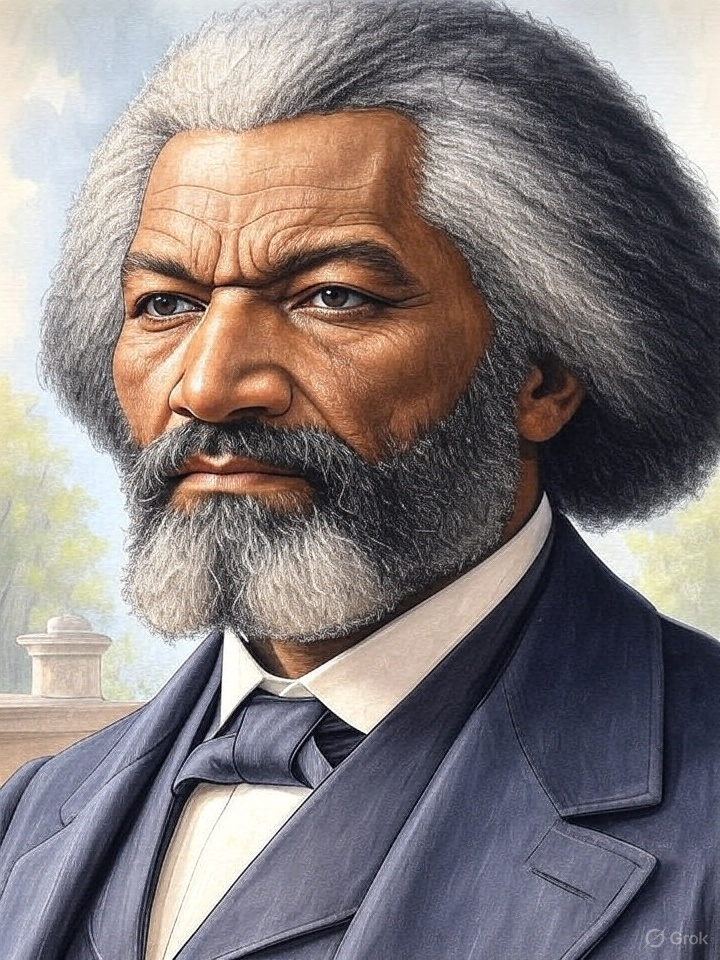
Frederick Douglas (1818–1895) was a former slave who became a passionate abolitionist in the United States. After escaping bondage, he settled in New Bedford, Massachusetts, where he established himself as a gifted writer, editor, and orator.

 Love Truth Blog